Lee Family Gift Enables Safe Dining, Safer Campus
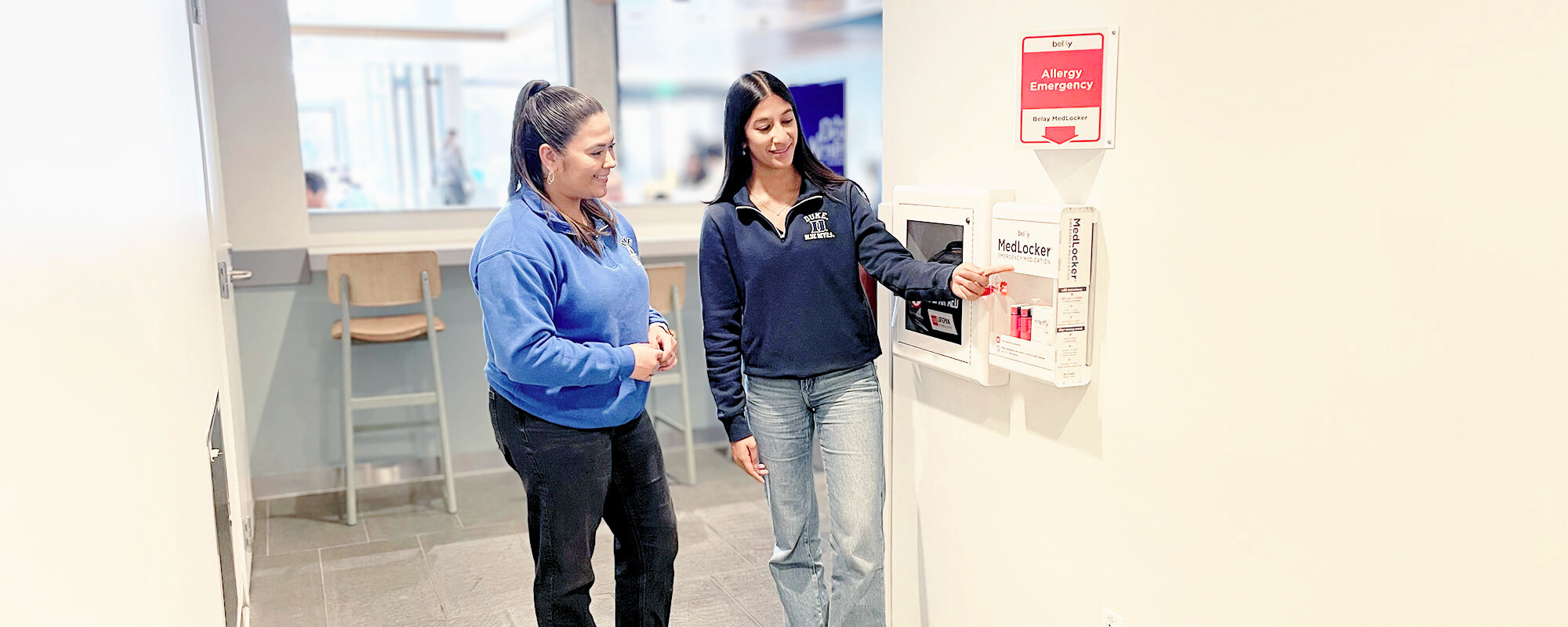
For families living with severe food allergies, every meal can carry risk. Seth and Susan Lee know this reality well — their son Jacob ’26 has lived with life-threatening nut and seed allergies since childhood. Their family’s experience inspired a transformative gift to Duke University and Duke Dining: funding for strategically placed epinephrine auto-injector and nasal spray stations across campus.
The Lees’ generosity ensures that students, staff, and visitors who experience a severe allergic reaction can access lifesaving treatment within moments, creating a safer and more inclusive environment for the entire Duke community.
A Family’s Journey Inspiring Campus Safety
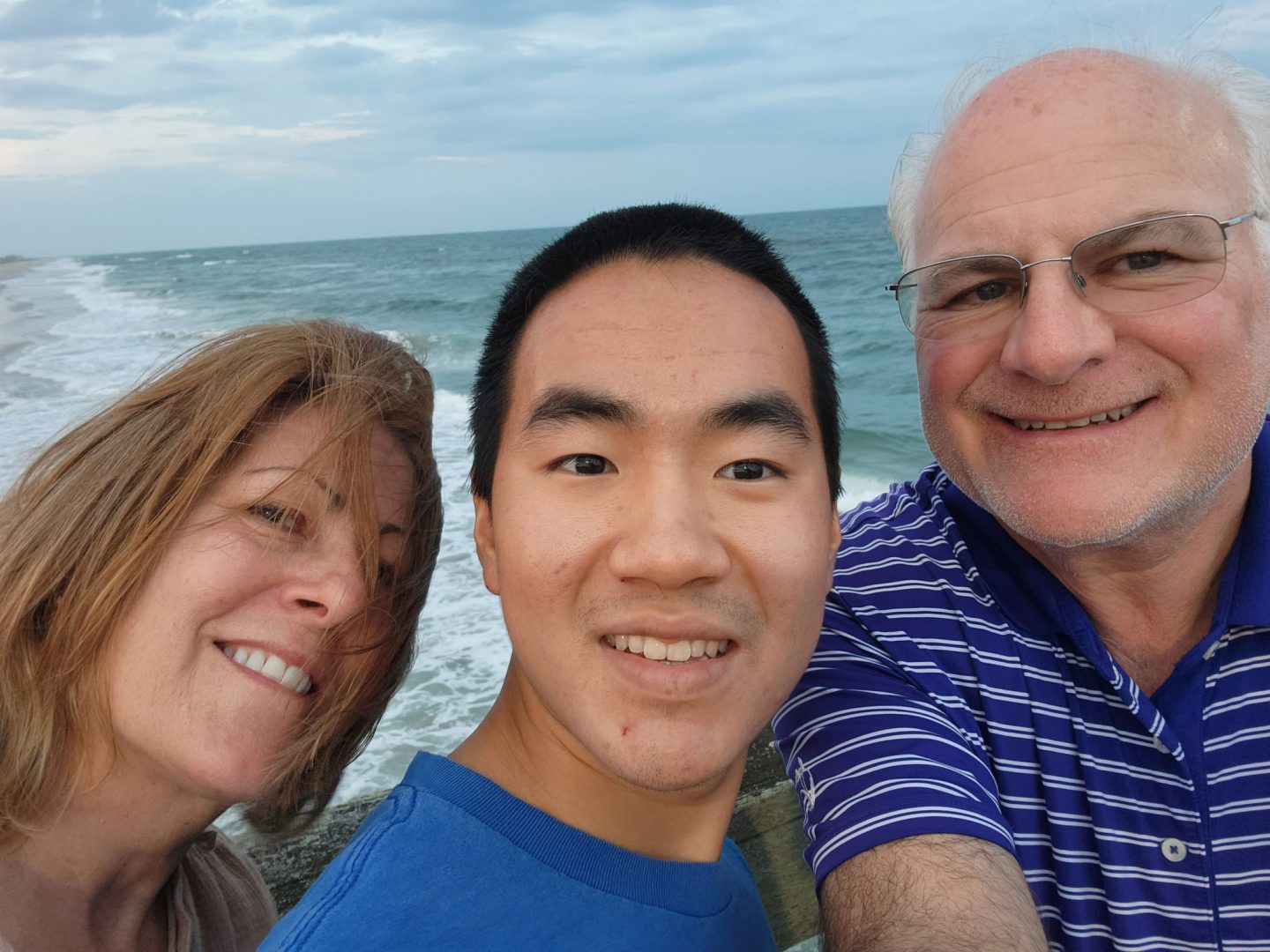
The Lees’ journey began nearly two decades ago, when Jacob was diagnosed with severe allergies to all nuts and seeds. Every meal required planning, vigilance, and emergency preparedness. A serious allergic episode early in Jacob’s life reinforced their commitment to ensuring his safety – and to advocating for greater allergy awareness.
When it came time to choose a college, the family looked for an institution that would take Jacob’s needs seriously. They found that in Duke. “Duke Dining didn’t just answer our questions – they embraced us,” said Seth Lee. “They made Jacob feel seen, safe, and supported from the start, and that level of care made all the difference.”
That care extended beyond the admissions process. Duke Dining collaborated with the family to ensure Jacob could safely enjoy dining on campus through direct access to chefs and nutrition staff, allergen-aware food preparation, and a nationally recognized safety program.
Why Immediate Access to Epinephrine Matters
Food allergies affect an estimated one in 13 children – many of whom carry those allergies into college. Reactions can occur suddenly and escalate quickly, making access to emergency treatment essential.
The Lees’ gift builds on Duke Dining’s Ask Me allergen safety program and its FARECheck Gold recognition from Food Allergy Research & Education (FARE), reinforcing the university’s commitment to health, inclusion, and preparedness. “Having epinephrine accessible is about more than safety,” said Robert Coffey, Executive Director of Duke Dining. “It’s about reassurance – that students and their families can trust Duke Dining to prioritize their health.”
Importantly, the epinephrine lockers are intended to provide supplemental protection and quick access in an emergency. Individuals with severe allergies should continue to carry their personal epinephrine auto-injectors at all times, as these lockers are not a substitute for individual preparedness.
Immediate Impact and Lasting Legacy
The importance of the Lees’ gift was felt almost immediately. During Duke’s Fall Open House, visitor Jesse Aaron Safir suffered an allergic reaction after unknowingly consuming sunflower butter. Staff at It’s Thyme quickly retrieved one of the newly installed epinephrine injectors, stabilizing Jesse until paramedics arrived.
“Without the epinephrine, things could have gone very differently,” Safir said. “I was so grateful for the staff, the student who stopped to help me, and for Duke Dining’s commitment to allergy safety.”
Today, epinephrine lockers — similar to defibrillator stations — are installed at key dining locations across campus, with more on the way. For students like Jacob, the presence of these stations provides peace of mind and allows them to focus on their college experience, not their allergy.
For the Lee family, this gift is an expression of gratitude for Duke Dining’s care and a lasting contribution to student well-being. For Duke, it represents a meaningful step toward ensuring every Blue Devil can dine and live safely on campus.
“Our goal was not just to protect Jacob, but to create something lasting for the whole community,” Seth Lee said. “If even one life is saved because epinephrine was available when it was needed, then this gift will have accomplished its purpose.”